Crystal tuning forks represent a fascinating evolution in sound healing instruments that combine the precision of traditional tuning fork technology with the unique energetic properties of crystal materials. Unlike conventional metal tuning forks that focus primarily on acoustic accuracy, crystal tuning forks integrate the metaphysical qualities of crystals with precise frequency generation, creating instruments that serve both musical and therapeutic purposes in ways that appeal to modern sound healing practitioners.
The fundamental difference between crystal and metal tuning forks extends beyond material composition to include variations in sound quality, energetic properties, and therapeutic applications. While metal tuning forks excel at producing clean, consistent frequencies with excellent projection, crystal tuning forks offer unique tonal qualities and energetic characteristics that many practitioners find particularly effective for meditation, chakra work, and holistic healing applications.
The growing popularity of crystal tuning forks in therapeutic and meditation practices reflects increasing recognition of their distinctive capabilities for supporting consciousness work and energy healing. Sound therapists, energy workers, and meditation practitioners increasingly incorporate these instruments into their practice, finding that the combination of precise frequencies with crystal properties creates synergistic effects that enhance both acoustic and energetic healing modalities.
Crystal tuning forks offer several benefits that distinguish them from purely metal alternatives, including unique harmonic characteristics, energetic properties associated with specific crystal materials, and aesthetic qualities that enhance the visual and symbolic aspects of healing work. Many practitioners report that clients respond differently to crystal fork frequencies, often experiencing deeper relaxation and more profound energetic shifts than with metal instruments alone.
When selecting crystal tuning forks, considerations extend beyond basic frequency accuracy to include crystal quality, construction methods, therapeutic applications, and the specific energetic properties you wish to incorporate into your sound healing practice. This comprehensive guide will help you navigate these factors to choose crystal tuning forks that provide exceptional performance while serving your specific healing and meditation goals effectively.
Understanding Crystal Tuning Fork Types and Construction
The construction methods used for crystal tuning forks significantly impact both their acoustic performance and therapeutic effectiveness, making understanding of different design approaches essential for selecting instruments that meet your specific needs and applications.
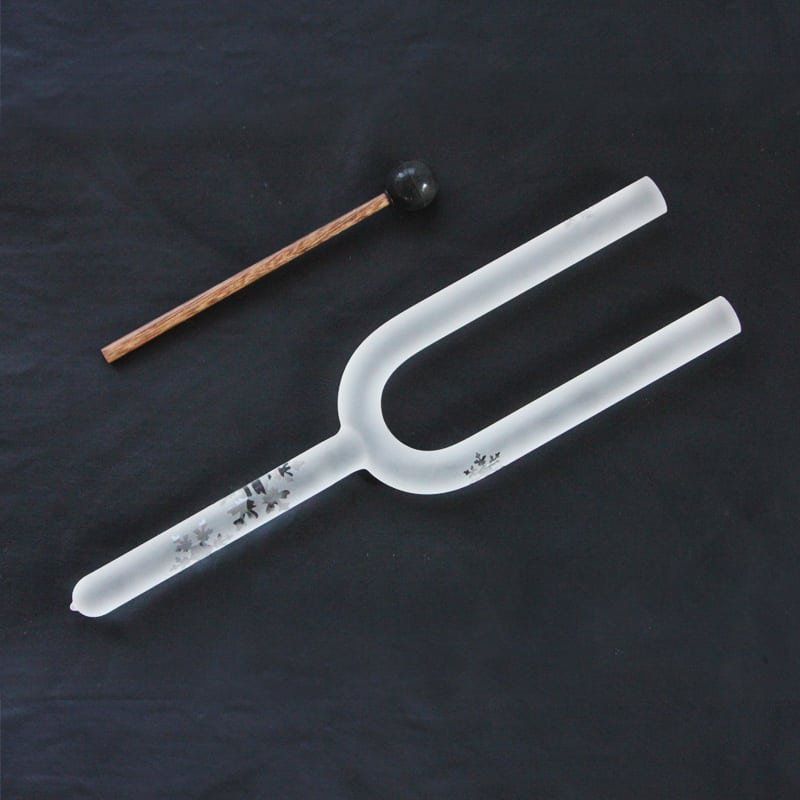
Solid crystal versus crystal-tipped metal fork designs represent the two primary construction approaches, each offering distinct advantages and limitations that affect both sound quality and practical usability. Solid crystal tuning forks, carved entirely from single crystal pieces, provide the purest crystal energy transmission while offering unique acoustic characteristics that differ markedly from metal alternatives.
Solid crystal construction creates instruments with distinctive tonal qualities including softer attack characteristics, complex harmonic development, and sustain patterns that many practitioners find particularly suitable for gentle healing work and meditation applications. The homogeneous crystal material ensures consistent energetic properties throughout the instrument while eliminating potential energetic conflicts between different materials.
However, solid crystal tuning forks also present challenges including increased fragility, higher costs, and potential limitations in frequency accuracy compared to precision-manufactured metal alternatives. The crystalline structure may also make these instruments more sensitive to temperature variations and environmental factors that can affect tuning stability.
Crystal-tipped metal fork designs attempt to combine the acoustic precision of metal construction with the energetic benefits of crystal materials by incorporating crystal elements at strategic points on otherwise metal tuning forks. These hybrid designs often provide more stable tuning and greater durability while still offering significant crystal energy transmission.
Pure crystal construction benefits include complete energetic coherence, unique acoustic signatures that differ from metal instruments, and aesthetic appeal that enhances the visual and symbolic aspects of healing work. Practitioners working specifically with crystal energy often prefer pure crystal instruments for their energetic authenticity and the complete absence of metal interference.
The limitations of pure crystal construction typically include higher fragility requiring careful handling, potentially less precise frequency accuracy due to material constraints, higher manufacturing costs reflected in purchase prices, and greater sensitivity to environmental factors affecting tuning stability.
Hybrid designs combining metal and crystal elements offer practical compromises that attempt to balance acoustic performance with crystal benefits while addressing some limitations of pure crystal construction. Common hybrid approaches include crystal-weighted tips, crystal handle wraps, and crystal chambers incorporated into otherwise metal structures.
Metal tuning fork bodies with crystal tips or weights can provide stable frequency generation while adding crystal energy transmission through direct contact points. These designs often offer good durability and tuning accuracy while incorporating meaningful crystal influence in the sound production and energy transmission.
Crystal handle wraps or decorative elements add crystal energy to the holding and activation experience while maintaining metal acoustic properties. Though these approaches provide less crystal influence than solid crystal construction, they may offer sufficient energetic enhancement for many applications while maintaining practical advantages.
Size variations in crystal tuning forks affect both frequency capabilities and practical considerations including portability, volume output, and handling comfort. Larger crystal tuning forks typically produce lower frequencies with greater volume and longer sustain times, while smaller instruments offer higher pitches with more convenient portability and handling characteristics.
The relationship between crystal tuning fork size and frequency follows physical acoustic principles, with longer forks producing lower pitches and shorter forks generating higher frequencies. However, crystal material properties may modify these relationships compared to metal tuning forks, requiring attention to specific acoustic characteristics rather than assumptions based on metal instrument behavior.
Portability considerations become particularly important for crystal tuning forks due to their fragility and the need for protective storage and transport. Smaller instruments offer obvious advantages for mobile practitioners while potentially limiting volume output and frequency range compared to larger alternatives.
Weighted versus unweighted crystal tuning fork options provide different acoustic and therapeutic characteristics that serve various applications and preferences. Weighted crystal tuning forks include additional mass at the tips that affects both sound production and the physical sensation when instruments contact the body during therapeutic applications.
Weighted designs typically produce stronger physical vibrations that can be felt when forks contact the body, making them particularly effective for therapeutic applications involving direct body contact and energy transmission. The additional mass also affects acoustic characteristics, often producing different sustain patterns and harmonic development compared to unweighted alternatives.
Unweighted crystal tuning forks focus acoustic energy into pure frequency generation without the additional physical sensation emphasis of weighted designs. These instruments often work better for applications emphasizing acoustic rather than tactile therapeutic effects, including meditation support and ambient healing environments.
Handcrafted versus manufactured quality differences reflect varying approaches to crystal tuning fork production that affect both acoustic performance and overall instrument quality. Handcrafted instruments often receive individual attention to acoustic optimization and crystal selection while potentially offering unique characteristics that distinguish them from mass-produced alternatives.
Manufacturing approaches range from completely handmade instruments carved from selected crystal materials to factory production using standardized processes and materials. Understanding these differences helps evaluate quality levels and set appropriate expectations for acoustic performance and longevity.
Crystal Materials and Their Sonic Properties
The choice of crystal material fundamentally affects both the acoustic characteristics and energetic properties of tuning fork instruments, making crystal selection as important as frequency and construction considerations for achieving optimal therapeutic and musical results.
Clear quartz tuning forks offer exceptional versatility and represent the most popular choice for general-purpose crystal sound healing applications. Clear quartz provides pure, clean frequencies with excellent acoustic transmission properties while offering the neutral energetic characteristics that make these instruments suitable for diverse therapeutic approaches and client needs.
The optical clarity and acoustic transparency of premium clear quartz showcases frequency purity while minimizing material-based coloration of the fundamental tone. This neutrality allows the precise frequency to dominate the acoustic experience while providing the amplification and energy transmission properties traditionally associated with clear quartz crystals.
Clear quartz tuning forks typically offer excellent sustain characteristics and harmonic development that support both meditation applications and therapeutic work requiring sustained frequency exposure. The acoustic properties of high-quality clear quartz often complement rather than compete with the intended frequency, creating instruments that feel both energetically active and acoustically precise.
The energetic neutrality of clear quartz makes these tuning forks suitable for practitioners working with various healing modalities without concerns about energetic conflicts or inappropriate material influences. This versatility proves particularly valuable for professional therapists serving diverse client populations with varying beliefs and sensitivities.
Colored crystal varieties introduce unique sound characteristics alongside their distinctive energetic properties, creating instruments that serve specific therapeutic intentions while offering acoustic qualities that distinguish them from clear quartz alternatives. The molecular structure differences that create color variations also affect acoustic transmission properties in subtle but often noticeable ways.
Amethyst tuning forks frequently exhibit warmer, more complex tonal characteristics than clear quartz while providing the spiritual and calming energetic properties traditionally associated with amethyst crystals. Many practitioners find amethyst frequencies particularly effective for meditation support and stress relief applications.
Rose quartz tuning forks often produce gentler, softer acoustic characteristics that complement the heart-centered healing properties attributed to rose quartz materials. These instruments may feel particularly appropriate for emotional healing work and applications emphasizing love, compassion, and relationship healing.
Citrine tuning forks typically create brighter, more energizing acoustic qualities that align with the abundance and manifestation properties traditionally associated with citrine crystals. The golden coloration often corresponds with uplifting acoustic characteristics that support confidence-building and motivation work.
How crystal density and clarity affect acoustic performance involves understanding the relationship between material properties and frequency transmission characteristics. Denser crystal materials may provide different sustain and projection qualities while clarity levels affect both acoustic purity and visual appeal.
High-density crystals often transmit vibrations more efficiently while potentially offering longer sustain times and clearer harmonic development. However, density must be balanced with other factors including workability, availability, and cost considerations that affect instrument accessibility and practical utility.
Crystal clarity directly affects both acoustic performance and aesthetic appeal, with clearer materials typically providing better frequency transmission while creating more visually attractive instruments. Internal inclusions or cloudiness may dampen vibrations while potentially adding character to the acoustic signature.
The relationship between clarity and acoustic performance varies among different crystal types, with some materials maintaining good acoustic properties despite visual inclusions while others require high clarity for optimal frequency transmission and sustain characteristics.
Temperature sensitivity and tuning stability considerations become particularly important for crystal tuning forks due to material properties that may differ significantly from metal alternatives. Crystal materials often exhibit different thermal expansion characteristics that can affect frequency accuracy under varying temperature conditions.
Understanding temperature sensitivity helps establish appropriate storage and usage practices that maintain tuning accuracy while preventing thermal stress that could affect both acoustic performance and structural integrity. Some crystal materials prove more stable than others under temperature variations.
Extreme temperature changes should generally be avoided with crystal tuning forks, as rapid thermal transitions may create stress that affects both tuning accuracy and structural durability. Gradual temperature adjustment and stable storage conditions help maintain optimal performance characteristics.
Professional practitioners using crystal tuning forks in varying environmental conditions should monitor tuning accuracy and consider temperature stabilization periods before critical therapeutic applications where frequency precision remains essential.
Crystal hardness effects on durability and sound quality reflect the relationship between material properties and long-term instrument performance under regular use conditions. Harder crystal materials typically offer better durability while potentially affecting acoustic characteristics and manufacturing requirements.
The Mohs hardness scale provides useful guidance for understanding relative durability expectations among different crystal materials, with harder materials generally offering better resistance to scratching and impact damage that could affect both appearance and acoustic performance.
However, hardness must be balanced with workability considerations, as extremely hard materials may be difficult to shape precisely while potentially creating challenges for achieving optimal acoustic characteristics and frequency accuracy.
Softer crystal materials may offer unique acoustic benefits while requiring more careful handling and storage to prevent damage that could affect both structural integrity and sound quality over time.
Matching crystal properties to therapeutic intentions requires understanding both the traditional energetic associations of different crystal materials and their practical acoustic characteristics for specific therapeutic applications. This matching process helps ensure that instrument selection supports rather than conflicts with intended healing goals.
Research traditional crystal healing associations while maintaining focus on practical acoustic requirements that serve your specific therapeutic approaches and client needs. The goal is finding crystal materials that enhance rather than complicate your healing work while providing satisfactory acoustic performance.
Consider client preferences and sensitivities when selecting crystal materials for professional therapeutic applications, as some individuals may respond differently to various crystal energies or have personal associations that affect their comfort with specific materials.
Document your experiences with different crystal materials to build understanding of how various options serve your specific applications while noting any patterns in client responses or therapeutic outcomes that might guide future instrument selection decisions.
Frequency Selection and Tuning Standards
Selecting appropriate frequencies for crystal tuning forks requires understanding the various tuning systems, therapeutic applications, and acoustic considerations that determine optimal frequency choices for different healing and meditation applications.
Standard musical pitches versus healing frequencies represent two primary approaches to crystal tuning fork frequency selection, each serving different purposes and applications within sound healing practice. Musical pitches follow established tuning standards that ensure compatibility with other musical instruments while healing frequencies often derive from alternative tuning systems focused on therapeutic rather than musical goals.
The A=440Hz standard tuning system provides compatibility with conventional musical instruments while offering familiar frequency relationships that many practitioners and clients find accessible and comfortable. Crystal tuning forks tuned to standard musical pitches can easily integrate with other musical elements in therapeutic sessions.
However, alternative tuning systems like A=432Hz have gained popularity among sound healing practitioners who believe these frequencies offer superior therapeutic benefits and more harmonious relationships with natural resonance patterns. Understanding these alternatives helps make informed decisions about frequency selection.
The choice between standard and alternative tuning systems often depends on your specific therapeutic goals, client populations, and integration requirements with other instruments or healing modalities in your practice.
Sacred frequencies including 528Hz, 741Hz, and other specific frequencies have gained recognition for their purported healing and consciousness-expanding properties, making them popular choices for crystal tuning fork applications focused on spiritual and energetic healing work.
The 528Hz frequency, often called the “Love Frequency” or “Miracle Tone,” has attracted particular attention for its alleged DNA repair and heart healing properties. Crystal tuning forks tuned to this frequency serve practitioners working specifically with heart chakra healing and cellular regeneration intentions.
741Hz and other solfeggio frequencies each carry specific therapeutic associations that may align with particular healing intentions and client needs. Understanding these associations helps select frequencies that support rather than conflict with your therapeutic goals and approaches.
Research supporting specific frequency claims varies in quality and scope, requiring critical evaluation of available evidence while remaining open to empirical observations from your own practice experience with different frequencies and client responses.
Chakra-specific frequencies and energy work represent popular applications for crystal tuning forks, with various frequency systems claiming to resonate with specific energy centers and consciousness qualities. These applications often combine frequency therapy with traditional chakra healing approaches.
Different chakra frequency systems exist, including mathematical progressions, traditional sound associations, and empirically derived frequencies based on practitioner experience and client feedback. Understanding these variations helps select appropriate frequencies for your specific chakra work approaches.
The root chakra (Muladhara) typically associates with lower frequencies that support grounding and security work, while higher chakras generally correspond with progressively higher frequencies that support spiritual and consciousness expansion goals.
Some practitioners prefer working with complete chakra frequency sets that maintain mathematical relationships between different energy centers, while others focus on specific chakras and frequencies that address particular client needs or healing intentions.
Planetary frequencies and cosmic tuning systems offer another approach to crystal tuning fork frequency selection based on astronomical and astrological associations with planetary orbital periods and cosmic rhythms. These systems appeal to practitioners interested in connecting sound healing with astronomical cycles and cosmic consciousness.
Planetary frequency calculations typically derive from orbital periods converted to audible frequency ranges through mathematical octave relationships, creating frequencies associated with specific planetary energies and astrological influences.
Earth frequency systems, including the Schumann resonance and other geophysical phenomena, provide frequencies associated with planetary consciousness and environmental harmony that some practitioners find particularly grounding and balancing.
Solar and lunar frequency systems offer alternatives focused on daily and monthly cycles that may support circadian rhythm balancing and natural cycle attunement through regular frequency exposure and therapeutic application.
Solfeggio frequencies for spiritual healing represent an ancient frequency system that has experienced renewed interest among modern sound healing practitioners seeking frequencies specifically designed for consciousness expansion and spiritual development work.
The traditional solfeggio scale includes six primary frequencies (396Hz, 417Hz, 528Hz, 639Hz, 741Hz, 852Hz) each associated with specific spiritual and healing qualities that serve different aspects of consciousness work and energy healing applications.
Extended solfeggio systems include additional frequencies that expand the original scale while maintaining the mathematical relationships and spiritual associations that characterize this frequency approach to sound healing work.
Understanding solfeggio frequency applications helps determine whether these specific frequencies align with your therapeutic goals and spiritual orientation while considering their compatibility with other healing modalities in your practice.
Custom tuning options and their benefits provide opportunities for practitioners with specific frequency requirements that may not align with standard offerings from crystal tuning fork manufacturers. Custom tuning allows precise frequency specification while potentially increasing costs and delivery times.
Professional sound therapists working with specific protocols or research applications may require precise frequencies that justify custom tuning investments, particularly when frequency accuracy directly affects therapeutic outcomes or research validity.
Practitioners developing signature approaches or working with unique frequency combinations may benefit from custom tuning that creates distinctive therapeutic tools while supporting innovative applications and treatment protocols.
The benefits of custom tuning must be weighed against increased costs, longer delivery times, and potential limitations in future replacement or expansion options compared to standard frequency offerings.
Understanding frequency accuracy and tolerance levels helps evaluate the precision requirements for your specific applications while setting appropriate expectations for crystal tuning fork performance. Different applications may require varying levels of frequency accuracy.
Therapeutic applications focused on general relaxation and wellness may not require extreme frequency precision, while research applications or protocols claiming specific frequency effects may demand higher accuracy levels for credible implementation.
Crystal material properties may affect achievable frequency accuracy compared to metal tuning forks, requiring realistic expectations about precision capabilities while focusing on practical accuracy requirements for effective therapeutic application.
Temperature and environmental factors can affect frequency accuracy in crystal tuning forks, making understanding of these influences important for maintaining optimal performance in varying conditions and ensuring consistent therapeutic delivery.
Quality Assessment and Acoustic Performance
Evaluating the quality and acoustic performance of crystal tuning forks requires systematic assessment of multiple factors that determine both immediate performance and long-term satisfaction with your instrument investment.
Evaluating frequency accuracy and pitch stability provides the foundation for quality assessment, as these characteristics directly affect therapeutic effectiveness and musical applications. Accurate frequency generation ensures that you receive the intended therapeutic benefits while pitch stability maintains consistency over time and varying environmental conditions.
Professional-grade electronic tuners or frequency analysis applications provide objective measurement of crystal tuning fork accuracy, allowing comparison with stated specifications while documenting actual performance characteristics. This objective assessment helps distinguish between marketing claims and actual acoustic performance.
Frequency accuracy expectations should reflect both crystal material limitations and intended applications, as some therapeutic uses may not require the extreme precision needed for scientific research or musical applications where frequency relationships with other instruments become critical.
Test frequency accuracy under conditions similar to your intended use environment, as temperature, humidity, and altitude variations may affect crystal tuning fork performance differently than metal alternatives. Document these variations to understand stability expectations.
Pitch stability over time requires longer-term assessment that may not be possible during initial evaluation, making manufacturer reputation and warranty coverage important factors for ensuring satisfactory long-term performance from crystal tuning fork investments.
Sustain time and harmonic content quality distinguish exceptional crystal tuning forks from basic alternatives while directly affecting therapeutic effectiveness and user satisfaction. Premium instruments should maintain clear, beautiful tones for extended periods while developing rich harmonic content that enhances meditative and healing applications.
Listen carefully to sustain development and decay characteristics, noting how tones evolve during the decay cycle and whether harmonic content remains clean and musical throughout the sustain period. Quality instruments often display changing harmonic emphasis as tones develop.
Compare sustain times among different crystal materials and construction methods to understand how these factors affect performance while considering your specific application requirements for sustained frequency exposure and ambient sound creation.
Harmonic content analysis requires attentive listening to overtone development and frequency relationships within individual instrument performance. Rich, clean harmonics enhance therapeutic effectiveness while harsh or muddy harmonics may indicate construction problems or material limitations.
Volume and projection characteristics determine how effectively crystal tuning forks work in different environments and applications, from intimate personal meditation to group therapy sessions requiring greater acoustic presence and volume output.
Test volume capabilities in environments similar to your intended use spaces, noting maximum output levels and projection patterns that affect acoustic coverage and client experience during therapeutic applications.
Consider balance between volume capability and tonal quality, as maximum output levels should maintain acoustic beauty and harmonic clarity rather than creating harsh or overwhelming sounds that might detract from therapeutic effectiveness.
Projection patterns may differ among crystal materials and construction methods, with some designs focusing acoustic energy directionally while others provide more omnidirectional sound distribution that serves different spatial requirements and client arrangements.
Crystal clarity effects on sound purity create direct relationships between visual and acoustic quality that help assess overall instrument quality while affecting both performance characteristics and aesthetic appeal that enhances therapeutic environments.
Visual inspection of crystal clarity provides immediate assessment of material quality while correlating with acoustic transparency and frequency purity that affect overall instrument performance and therapeutic effectiveness.
Internal inclusions, cloudiness, or other clarity issues may indicate lower-grade crystal materials that could affect both acoustic performance and long-term durability while potentially reducing the energetic effectiveness that many practitioners seek from crystal instruments.
However, some crystal materials naturally include visual characteristics that may not significantly impact acoustic performance, requiring understanding of normal variation versus quality concerns that affect instrument functionality and satisfaction.
Identifying manufacturing defects and poor construction requires systematic inspection of both visual and acoustic characteristics that might indicate problems affecting performance, durability, or safety during regular use conditions.
Common defects include uneven surfaces that affect acoustic transmission, structural weaknesses that could lead to failure, improper frequency tuning that prevents intended therapeutic applications, and finish problems that affect both appearance and acoustic performance.
Acoustic defects may include frequency instability, poor sustain characteristics, unusual harmonic development, or unwanted noise during activation that indicates construction problems or material limitations affecting instrument effectiveness.
Structural inspection should identify any cracks, chips, or other damage that might affect both immediate performance and long-term durability while potentially creating safety concerns during handling and therapeutic application.
Testing methods for acoustic evaluation provide systematic approaches to assessing crystal tuning fork performance while ensuring comprehensive evaluation of characteristics that affect therapeutic effectiveness and user satisfaction.
Controlled testing environments help eliminate external factors that might affect acoustic assessment while providing consistent conditions for comparing different instruments and evaluating specific performance characteristics objectively.
Systematic activation techniques ensure consistent testing conditions while revealing instrument response characteristics and performance variations that might not be apparent during casual evaluation or demonstration situations.
Recording test sessions provides objective documentation of acoustic characteristics while allowing detailed analysis and comparison that supports informed purchasing decisions and quality assessment verification over time.
Professional consultation with experienced practitioners or acoustic specialists may provide valuable insights into quality assessment techniques while offering perspectives based on extensive experience with various crystal tuning fork options and applications.
Size, Weight, and Portability Considerations
The physical characteristics of crystal tuning forks significantly impact both their practical usability and acoustic performance, making size, weight, and portability considerations essential factors in selecting instruments that serve your specific needs effectively.
Personal practice versus professional therapy sizing reflects different requirements for acoustic output, handling comfort, and portability that distinguish instruments optimized for individual use from those designed for professional therapeutic applications serving multiple clients.
Personal practice instruments often prioritize portability and handling comfort while potentially accepting limitations in maximum volume output that may be less critical for individual meditation and self-healing applications. Smaller, lighter instruments offer convenience advantages while maintaining adequate acoustic performance for personal use.
Professional therapy sizing typically emphasizes acoustic presence and volume capability necessary for group sessions and diverse client needs while potentially sacrificing some portability for enhanced performance characteristics. Larger instruments may project better while offering longer sustain times that benefit extended therapeutic sessions.
The acoustic trade-offs between size and portability require careful consideration of your primary use patterns and performance requirements, as optimal size choices depend heavily on specific application needs and practical constraints affecting instrument selection.
Consider whether you need maximum acoustic performance for challenging environments or whether moderate output levels serve your applications adequately while offering practical advantages in handling, storage, and transport that enhance overall utility and satisfaction.
Travel-friendly options for mobile practitioners provide specialized solutions for practitioners who frequently transport instruments between different locations while requiring reliable acoustic performance under varying environmental conditions.
Compact crystal tuning fork designs focus on minimizing size and weight while maintaining adequate acoustic performance for professional applications, often incorporating protective features that enhance durability during frequent transport and handling.
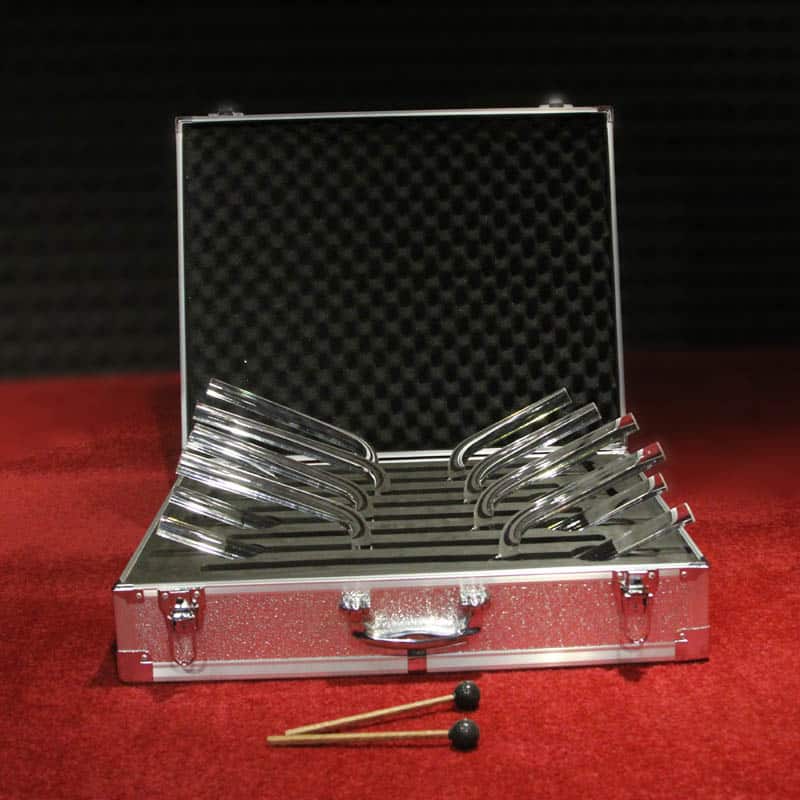
Protective carrying cases and transport solutions become essential for mobile practitioners using crystal tuning forks, as these instruments typically require more careful handling than metal alternatives while needing protection from impacts and environmental factors.
Consider modular approaches that allow building complete therapeutic setups from multiple smaller instruments rather than depending on single large instruments that may be difficult to transport while potentially offering greater versatility in different therapeutic environments.
Weight distribution and comfortable handling affect both the ease of use during extended sessions and the precision possible in therapeutic applications requiring accurate instrument positioning and controlled activation techniques.
Ergonomic considerations become particularly important for professional practitioners who may use crystal tuning forks extensively throughout workdays, as uncomfortable handling can lead to fatigue and reduced effectiveness while potentially affecting the quality of therapeutic delivery.
Balance points and weight distribution in crystal tuning forks may differ from metal alternatives due to material density variations and construction methods that affect handling characteristics and activation control during therapeutic applications.
Practice holding and activating different crystal tuning fork designs to assess comfort levels and handling characteristics under conditions similar to your intended use patterns, noting any factors that might affect sustained use or precision in therapeutic applications.
Storage and transport protection requirements for crystal tuning forks typically exceed those of metal instruments due to increased fragility and potential sensitivity to environmental factors that could affect both structural integrity and acoustic performance.
Protective storage solutions should address impact protection, environmental stability, and organization requirements that support both instrument preservation and practical access during therapeutic sessions and transport situations.
Climate control considerations may be important for crystal tuning forks, as temperature and humidity variations could affect both tuning accuracy and structural integrity more than metal alternatives, requiring appropriate storage environments.
Investment in quality storage and transport solutions often proves worthwhile for protecting crystal tuning fork investments while ensuring reliable performance and longevity that justifies the typically higher costs of crystal instruments compared to metal alternatives.
Balancing size with acoustic performance needs requires understanding the relationships between physical dimensions and acoustic capabilities while considering practical constraints that affect instrument selection and use patterns.
Larger crystal tuning forks generally offer advantages in volume output, sustain time, and frequency accuracy while creating challenges in portability, storage requirements, and handling comfort that may offset acoustic benefits depending on specific applications.
Smaller instruments sacrifice some acoustic capabilities for practical advantages while potentially offering sufficient performance for many therapeutic applications, particularly those emphasizing energetic rather than purely acoustic healing modalities.
The optimal balance depends heavily on your specific use patterns, client needs, and practical constraints that affect daily instrument use and satisfaction with performance characteristics versus practical utility.
Multi-fork sets versus individual instrument selection provides different approaches to building crystal tuning fork collections that serve comprehensive therapeutic needs while managing costs and practical considerations affecting instrument acquisition and use.
Complete sets offer advantages in harmonic relationships, consistent quality standards, and often better value compared to individual purchases while potentially including frequencies or sizes that may not align perfectly with your specific needs and applications.
Individual selection allows precise matching of specific requirements while potentially increasing costs and creating challenges in maintaining consistent quality standards and harmonic relationships among instruments from different sources or production batches.
Hybrid approaches that combine targeted individual purchases with selected set components may provide optimal flexibility while managing costs and ensuring that your collection serves your specific therapeutic approaches and client needs effectively.
Consider long-term expansion plans when making initial crystal tuning fork selections, as consistent sources and compatible instruments become important for building coherent collections that work together effectively while maintaining quality standards and acoustic relationships.
Therapeutic Applications and Usage Guidelines
Understanding the therapeutic applications and proper usage guidelines for crystal tuning forks ensures safe, effective implementation while maximizing the healing potential of these specialized instruments in both personal and professional settings.
Personal meditation and energy balancing techniques with crystal tuning forks provide accessible approaches for individuals seeking to integrate frequency healing into their self-care and spiritual development practices. These applications often require less technical precision than professional therapy while offering significant benefits for stress reduction, energy balancing, and consciousness expansion.
Begin personal crystal tuning fork practice with simple activation techniques that focus on experiencing the acoustic and energetic effects rather than complex protocols that might overwhelm beginning practitioners. Simple techniques often prove most sustainable and effective for regular personal use.
Coordinate crystal tuning fork activation with breathing patterns and meditation practices to enhance integration between frequency healing and other consciousness-expanding techniques. This coordination often amplifies benefits while creating more coherent and effective personal practice sessions.
Experiment with different crystal materials and frequencies to discover which combinations resonate most effectively with your personal energy system and consciousness goals, noting responses and preferences that guide ongoing practice development and instrument selection.
Document personal experiences with different frequencies and techniques to track patterns and progress while building understanding of how crystal tuning fork therapy affects your specific energy system and consciousness development over time.
Professional sound therapy and healing practices require additional considerations including client safety, session structure, and integration with other therapeutic modalities while maintaining professional standards and ethical boundaries appropriate for healing relationships.
Establish clear protocols for crystal tuning fork therapy that address client preparation, informed consent, session structure, and integration procedures that ensure consistent, safe, and effective therapeutic delivery while meeting professional standards for healing work.
Understand scope of practice limitations and professional requirements that apply to crystal tuning fork therapy in your location and professional context, ensuring that your applications remain within appropriate boundaries while serving client needs effectively.
Develop sensitivity to client responses and individual variations in frequency sensitivity that may require adjustments to volume, frequency selection, or application techniques to ensure comfort and effectiveness while avoiding overwhelming or inappropriate therapeutic intensity.
Maintain detailed session records that document client responses, frequency selections, and outcomes to build understanding of effective applications while supporting professional accountability and continuous improvement in therapeutic delivery.
Combining with other crystal instruments and modalities expands therapeutic possibilities while requiring coordination skills that maintain acoustic harmony and therapeutic coherence throughout integrated healing sessions using multiple instruments and approaches.
When combining crystal tuning forks with crystal singing bowls, consider frequency relationships and timing that create supportive rather than competing acoustic environments while maintaining focus on therapeutic goals rather than purely musical considerations.
Integration with energy healing modalities like Reiki, acupuncture, or massage therapy requires understanding how frequency healing enhances rather than interferes with primary therapeutic approaches while respecting the training and scope of practice of other healing professionals.
Practice coordination techniques that allow smooth integration of crystal tuning fork therapy with other healing modalities while maintaining appropriate timing and intensity that supports rather than overwhelms primary therapeutic processes and client comfort.
Safety considerations for therapeutic use include understanding contraindications, appropriate volume levels, and client screening procedures that ensure safe application of crystal tuning fork therapy while preventing adverse reactions or inappropriate applications.
Volume levels should remain within comfortable ranges that promote relaxation and healing rather than creating overstimulation or acoustic discomfort that could interfere with therapeutic goals or client safety and comfort during sessions.
Certain medical conditions or client sensitivities may contraindicate crystal tuning fork therapy or require modified approaches that address specific health concerns while maintaining therapeutic safety and effectiveness.
Client screening procedures should identify potential contraindications, sensitivity levels, and individual preferences that affect appropriate frequency selection and application techniques while ensuring informed consent and appropriate therapeutic boundaries.
Client comfort and session integration methods ensure that crystal tuning fork therapy feels supportive and beneficial rather than intrusive or overwhelming while maintaining therapeutic focus and professional boundaries throughout healing sessions.
Prepare clients appropriately for crystal tuning fork therapy by explaining procedures, addressing concerns, and establishing comfort levels that support effective therapeutic engagement while maintaining professional boundaries and ethical standards.
Monitor client responses throughout sessions, adjusting techniques and intensity as needed to maintain optimal therapeutic conditions while ensuring client comfort and safety throughout the healing process.
Integration procedures should help clients process and anchor therapeutic benefits while providing appropriate closure and transition back to everyday awareness following crystal tuning fork therapy sessions.
Cleaning and energetic clearing between uses maintains both hygiene standards and energetic clarity that supports effective therapeutic delivery while preventing cross-contamination of energies between different clients and sessions.
Physical cleaning procedures should address hygiene requirements while protecting crystal integrity and acoustic performance, using appropriate methods and materials that maintain instrument quality while ensuring client safety.
Energetic clearing techniques help maintain clear, supportive energy in crystal tuning forks while preventing accumulation of emotional or energetic residues that might affect subsequent therapeutic sessions or instrument effectiveness.
Establish consistent cleaning and clearing protocols that maintain both physical and energetic hygiene while supporting optimal instrument performance and therapeutic effectiveness throughout extended professional use.
Where to Buy and Avoiding Common Pitfalls
Online shop: https://dorhymigroup.com/product/crystal-tuning-fork/
Wholesale business: https://dorhymi.cc/crystal-tuning-fork/
Finding reliable sources for quality crystal tuning forks while avoiding common purchasing mistakes requires understanding the market landscape, quality indicators, and vendor characteristics that distinguish reputable suppliers from less reliable alternatives.
Reputable suppliers specializing in crystal sound instruments typically offer superior product knowledge, quality assurance, and customer support compared to general retailers who may lack expertise in crystal tuning fork specifications and applications. Specialized suppliers often maintain relationships with skilled craftspeople and can provide detailed information about construction methods, crystal sources, and acoustic characteristics.
Look for suppliers who demonstrate genuine expertise in crystal sound healing instruments through detailed product descriptions, educational resources, and knowledgeable customer service that can address technical questions about frequency accuracy, crystal quality, and therapeutic applications.
Established suppliers often maintain customer review systems and testimonials that provide insights into product quality, service reliability, and customer satisfaction levels that help evaluate vendor trustworthiness and product performance expectations.
Research supplier backgrounds and industry relationships to identify vendors with established reputations and ongoing commitments to the crystal sound healing community rather than opportunistic retailers seeking to capitalize on market trends without genuine expertise or commitment.
Understanding warranties and return policies for tuning accuracy provides essential protection for crystal tuning fork investments while ensuring access to remedies if instruments fail to meet specifications or perform as expected during actual use conditions.
Frequency accuracy guarantees should specify acceptable tolerance levels and provide clear procedures for verification and remedy if instruments fail to meet stated specifications, protecting your investment while ensuring therapeutic effectiveness.
Return policies should allow adequate time for thorough evaluation under actual use conditions, as some performance characteristics may not be apparent during brief demonstrations or initial testing periods that might occur during purchase evaluation.
Understand warranty coverage for structural defects, crystal clarity issues, and acoustic performance problems that might develop over time, ensuring appropriate protection for your investment while setting realistic expectations for instrument longevity.
Document warranty terms and contact procedures before purchase to ensure clear understanding of protection available and procedures required for warranty claims should problems develop with instrument performance or structural integrity.
Red flags indicating poor quality or misrepresented products include unrealistic claims about frequency effects, extremely low prices that suggest inferior materials or construction, lack of specific technical information, and vendors who cannot provide detailed information about their instruments’ characteristics and manufacturing methods.
Be skeptical of exaggerated healing claims that cannot be substantiated by credible research or that promise unrealistic therapeutic outcomes from crystal tuning fork therapy, as these often indicate vendors more interested in marketing than providing quality instruments.
Extremely low prices compared to established market levels may indicate inferior crystal materials, poor construction quality, or inaccurate frequency tuning that could affect both therapeutic effectiveness and instrument longevity.
Lack of specific technical information about frequency accuracy, crystal quality, construction methods, or acoustic characteristics often indicates vendors without genuine expertise or commitment to providing quality instruments for serious therapeutic applications.
Vendors who cannot answer detailed questions about their products or provide verification of frequency accuracy and crystal quality may not offer the expertise and support needed for successful crystal tuning fork applications.
Price ranges and value considerations across quality levels reflect the significant variations in materials, construction methods, and manufacturing approaches that affect both initial cost and long-term satisfaction with crystal tuning fork investments.
Entry-level crystal tuning forks may offer acceptable performance for basic applications while potentially lacking the frequency accuracy, crystal quality, or construction precision needed for professional therapeutic work or advanced applications requiring superior acoustic performance.
Professional-grade instruments typically command higher prices that reflect superior crystal materials, precise frequency tuning, and construction quality that supports reliable performance under demanding professional use conditions while providing the acoustic excellence needed for effective therapeutic delivery.
Premium handcrafted instruments may justify significantly higher costs through superior crystal selection, individual acoustic optimization, and unique characteristics that distinguish them from mass-produced alternatives while serving practitioners seeking exceptional instruments for specialized applications.
Consider total cost of ownership including protective storage, replacement needs, and potential expansion requirements when evaluating price levels, as initial purchase costs represent only part of the total investment required for effective crystal tuning fork therapy programs.
Building relationships with knowledgeable dealers creates long-term advantages including access to new products, expert guidance in instrument selection, and ongoing support for technical questions and maintenance requirements that enhance your success with crystal tuning fork applications.
Experienced dealers often provide valuable education about therapeutic applications, frequency selection, and effective techniques that prove essential for practitioners developing their skills and expanding their understanding of crystal tuning fork therapy possibilities.
Establish ongoing communication with dealers who demonstrate genuine expertise and commitment to customer success, as these relationships often provide access to new products, special opportunities, and specialized knowledge that enhances your crystal tuning fork practice and professional development.
Consider supporting dealers who contribute to the crystal sound healing community through education, research, or other activities that advance understanding and effective application of crystal tuning fork therapy while maintaining high standards for product quality and customer service.
Maintenance and long-term care requirements for crystal tuning forks include regular inspection, proper storage, and appropriate handling procedures that protect your investment while ensuring continued acoustic performance and therapeutic effectiveness throughout extended use periods.
Develop consistent maintenance routines that address crystal cleaning, frequency verification, and structural inspection while documenting any changes in performance or appearance that might indicate the need for professional attention or replacement consideration.
Proper storage conditions protect crystal tuning forks from environmental factors and physical damage while maintaining optimal acoustic performance and structural integrity throughout extended ownership periods that justify quality instrument investments.
Conclusion
Selecting the right crystal tuning fork requires careful consideration of multiple factors including crystal materials, frequency requirements, construction quality, and intended therapeutic applications. The combination of precise frequency generation with crystal energetic properties creates unique instruments that serve both acoustic and healing purposes in ways that distinguish them from conventional metal tuning forks.
Remember that crystal tuning forks represent an investment in both therapeutic effectiveness and spiritual development tools that can serve your practice for many years when chosen wisely and maintained properly. Quality instruments provide reliable frequency accuracy while offering the crystal energy transmission that makes these specialized tools particularly valuable for consciousness and healing work.
The integration of acoustic precision with crystal properties requires understanding both the technical aspects of frequency generation and the energetic characteristics of different crystal materials. This integration creates instruments that serve multiple dimensions of healing work while providing the reliability needed for professional therapeutic applications.
Your crystal tuning fork selection should reflect your specific therapeutic goals, practical requirements, and quality standards while considering factors like portability, durability, and compatibility with other instruments in your healing practice. Take time to evaluate options thoroughly while maintaining focus on instruments that will serve your long-term development and therapeutic effectiveness.
Whether you choose crystal tuning forks for personal meditation enhancement, professional sound therapy applications, or exploration of frequency healing principles, quality instruments will reward your investment with years of reliable service and effective therapeutic support. Begin with clear intentions about your needs and applications, but remain open to discoveries that might expand your understanding and effective use of these remarkable healing instruments.
Invest in quality crystal tuning forks from reputable suppliers who understand both the technical and spiritual dimensions of these instruments, ensuring that your selection provides the acoustic performance and energetic qualities needed for meaningful, effective frequency healing work that serves both your own development and your service to others.